Military drills on the border between Egypt and Israel have sparked concern. Footage of armored columns advancing through the Sinai, jets roaring over desert terrain, and live-fire exercises broadcast on state media—these images naturally raise a question: Is Egypt threatening Israel? The short answer: no—but the reality is nuanced. While Egypt isn’t preparing for war with Israel, the scale and timing of its military activities aren’t merely routine. They reflect deeper strategic messaging, regional instability, and Egypt’s effort to assert control in a volatile border zone.
To understand what’s really happening, it’s essential to separate provocative optics from actual intent. Egypt’s military exercises are not directed at Israel per se, but they occur in a region where perception can be as consequential as action.
The Context: A Border Transformed
The Sinai Peninsula, long a flashpoint between Egypt and Israel, has undergone radical change since the 1979 peace treaty. Once a contested war zone, it became a demilitarized buffer under the supervision of the Multinational Force and Observers (MFO). For decades, military presence was tightly regulated. But in 2011, Egypt began requesting—and receiving—U.S. approval to deploy additional forces into Zone C of Sinai, citing a growing militant threat.
Since then, Egypt has maintained a significant military footprint in North Sinai, particularly around Rafah and El-Arish. This shift was driven not by Israel, but by the rise of ISIS-affiliated insurgents like Wilayat Sinai. The Egyptian military’s primary mission: counterterrorism. Yet because these operations occur just kilometers from Israel’s southern border, they inevitably draw scrutiny.
Example in practice: In 2023, Egypt launched Operation Sinai Shield, involving over 15,000 troops, drone swarms, and maritime patrols along the Mediterranean coast. While officially targeting jihadist networks, the drills included mock incursions and border fortification scenarios—movements that, to outside observers, resembled preparations for broader conflict.
Decoding the Drills: Threat or Deterrence?
Egypt’s military exercises near the Israeli border are rarely about Israel—at least not directly. Instead, they serve multiple overlapping purposes:
- Counterterrorism readiness: The Sinai remains a battleground. Any large-scale exercise must simulate real-world threats, including ambushes, IEDs, and urban combat in border towns.
- Domestic messaging: The Egyptian government uses these drills to project strength, especially after attacks on security forces. State media often frames them as proof of national resolve.
- Strategic signaling: While not aimed at Israel, the exercises signal to regional actors—especially Iran-backed groups and non-state militias—that Egypt controls its territory firmly.
But perception matters. Israel closely monitors these drills through satellite surveillance and intelligence sharing with the U.S. The Israel Defense Forces (IDF) have acknowledged that while no direct threat has been detected, "unusual activity patterns" are assessed daily.
Common mistake: Interpreting scale as hostility. A large drill doesn’t imply aggression. In fact, Egypt often coordinates exercise details with the MFO and the U.S. Central Command (CENTCOM) to maintain transparency.
Egypt and Israel: An Unlikely Security Alliance

The idea that Egypt would threaten Israel militarily contradicts decades of quiet cooperation. Since the Camp David Accords, the two nations have developed a de facto strategic partnership—especially on intelligence and border security.
- Shared surveillance: Egypt shares real-time intelligence on militant movements in Sinai with Israel, particularly those near the Gaza Strip.
- Coordinated operations: When Hamas or other groups attempt to move weapons through underground tunnels across Rafah, Egypt often acts in parallel with Israeli objectives.
- U.S.-backed stability: Both countries rely heavily on American military aid, creating a shared interest in regional calm.
Realistic use case: During the 2021 Gaza conflict, Egypt intensified Sinai drills not to pressure Israel, but to prevent spillover. The goal was to seal the border and stop militants from exploiting chaos to infiltrate or smuggle arms.
Still, trust is limited. Israel remains wary of any militarization near its southern border. Egypt, in turn, resents what it sees as Israeli overreach in Gaza and occasional airspace violations. But these are diplomatic friction points—not precursors to war.
The Gaza Factor: A Complicating Influence
Recent escalations in Gaza have intensified scrutiny of Egypt’s border activities. As Israel engages in prolonged conflict with Hamas, Egypt has positioned itself as a mediator—but also as a gatekeeper.
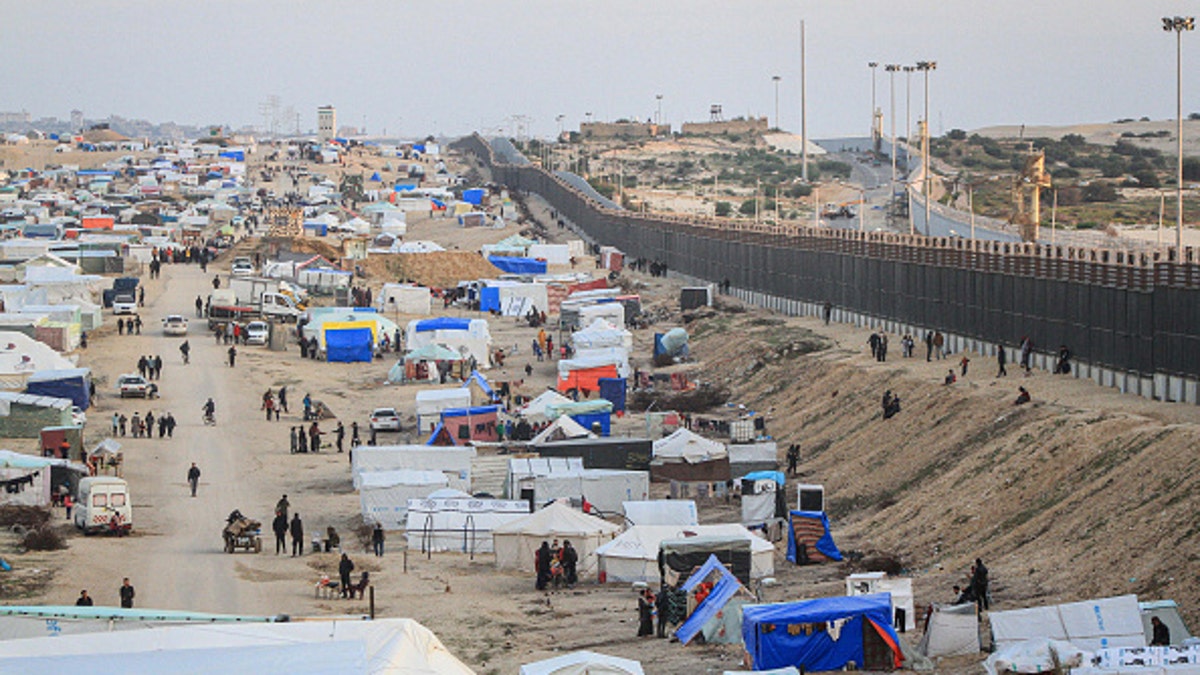
- Egypt controls the Rafah crossing, the only exit for Gazans not under Israeli control.
- It has brokered multiple ceasefires and hostage negotiations.
- Simultaneously, it has cracked down on smuggling tunnels—many of which historically moved goods and weapons to Hamas.
Military exercises near Rafah, therefore, serve dual purposes: countering smuggling networks and asserting sovereignty during a crisis. But from Israel’s perspective, increased Egyptian troop presence can look like positioning—especially if drills coincide with flare-ups in Gaza.
Workflow tip: Analysts tracking these exercises should cross-reference drill timing with diplomatic developments. A surge in activity during ceasefire talks, for example, may signal Egypt’s intent to strengthen its bargaining position, not launch an attack.
U.S. Role: The Stabilizing Watchdog
The United States plays a critical role in preventing misinterpretation. As the primary funder of both Egypt’s and Israel’s militaries, Washington has a vested interest in ensuring drills don’t escalate.
- The U.S. must approve any significant Egyptian military deployment in central and northern Sinai under the peace treaty’s Annex I.
- CENTCOM maintains regular contact with Egyptian and Israeli defense officials.
- The MFO, though underfunded, continues to monitor compliance on the ground.
When Egypt requested expanded troop deployments in 2018, the U.S. approved—but attached conditions: no heavy armor beyond specified limits, no permanent bases, and full transparency.
This oversight creates a built-in check on escalation. Any move perceived as aggressive would trigger immediate U.S. diplomatic intervention.
Perception vs. Reality: Why the Fear Persists
Despite all this, rumors persist that Egypt is “gearing up” against Israel. Why?
- Media framing: Clips of Egyptian tanks rolling through the desert, often stripped of context, circulate widely on social media. Hashtags like #EgyptVsIsrael trend during drills.
- Historical memory: Older generations recall the 1956, 1967, and 1973 wars. For them, any military buildup evokes past conflicts.
- Regional disinformation: Iran and Hezbollah have incentives to exaggerate tensions between Arab states and Israel to undermine normalization efforts.
Limitation to note: Open-source intelligence (OSINT) analysts often lack access to classified coordination channels between Egypt, Israel, and the U.S. This information gap leads to speculative reporting.
What Would a Real Threat Look Like?
If Egypt were truly preparing to threaten Israel, the indicators would be clear: - Sustained deployment of heavy armor beyond treaty limits - Mobilization of air forces with combat-ready posture - Disruption of gas exports to Israel (a key economic link) - Diplomatic withdrawal or treaty suspension
None of these have occurred. Instead, Egypt continues gas shipments, maintains diplomatic ties, and participates in U.S.-led regional security talks.
Practical example: In contrast to Egypt, when Turkey conducts drills near Greece or Cyprus, it often issues explicit warnings and restricts airspace. Egypt does neither toward Israel.
The Bottom Line: Stability Over Saber-Rattling
Egypt’s military exercises near the Israeli border are not a threat—they’re a symptom of a complex security environment. The real enemy in Sinai is not Israel, but extremism. The drills are about control, legitimacy, and deterrence—not aggression.
That said, complacency is dangerous. Even unintentional incidents—such as stray fire or drone incursions—could spark miscalculation. This is why coordination mechanisms, though imperfect, remain vital.
For policymakers, journalists, and concerned citizens, the key is to look beyond the spectacle. Ask: Who benefits from this narrative? What’s the actual deployment footprint? Is there diplomatic follow-up?
The answers will almost always point away from conflict—and toward a fragile, but enduring, quiet.
Frequently Asked Questions
Are Egypt’s military exercises near Israel illegal under the peace treaty? No. Egypt can conduct exercises in Sinai with U.S. approval for force buildups. Most drills comply with treaty limitations on troop numbers and equipment.
Has Egypt ever attacked Israel during a military exercise? No. There is no recorded instance of Egypt using a training exercise as cover for an actual attack on Israel.
Why does Egypt need so many troops in Sinai? To combat ISIS-affiliated militants, stop arms smuggling into Gaza, and secure its eastern border—a mission ongoing since 2011.
Does Israel respond militarily to Egyptian drills? Not directly. The IDF monitors via intelligence assets but typically issues no public response unless unusual activity is detected.
Could Egypt revoke the peace treaty with Israel? Legally, yes—but politically and economically, it would be disastrous. The treaty remains in Egypt’s strategic interest.
Do these drills affect Gaza operations? Indirectly. Egypt’s control of Rafah and its anti-smuggling efforts impact Hamas’s logistics, aligning with Israeli security goals in some cases.
Who verifies that Egypt isn’t preparing for war? The Multinational Force and Observers (MFO), U.S. intelligence, and open-source monitoring help ensure treaty compliance.
FAQ
What should you look for in Is Egypt Threatening Israel with Border Military Drills?? Focus on relevance, practical value, and how well the solution matches real user intent.
Is Is Egypt Threatening Israel with Border Military Drills? suitable for beginners? That depends on the workflow, but a clear step-by-step approach usually makes it easier to start.
How do you compare options around Is Egypt Threatening Israel with Border Military Drills?? Compare features, trust signals, limitations, pricing, and ease of implementation.
What mistakes should you avoid? Avoid generic choices, weak validation, and decisions based only on marketing claims.
What is the next best step? Shortlist the most relevant options, validate them quickly, and refine from real-world results.